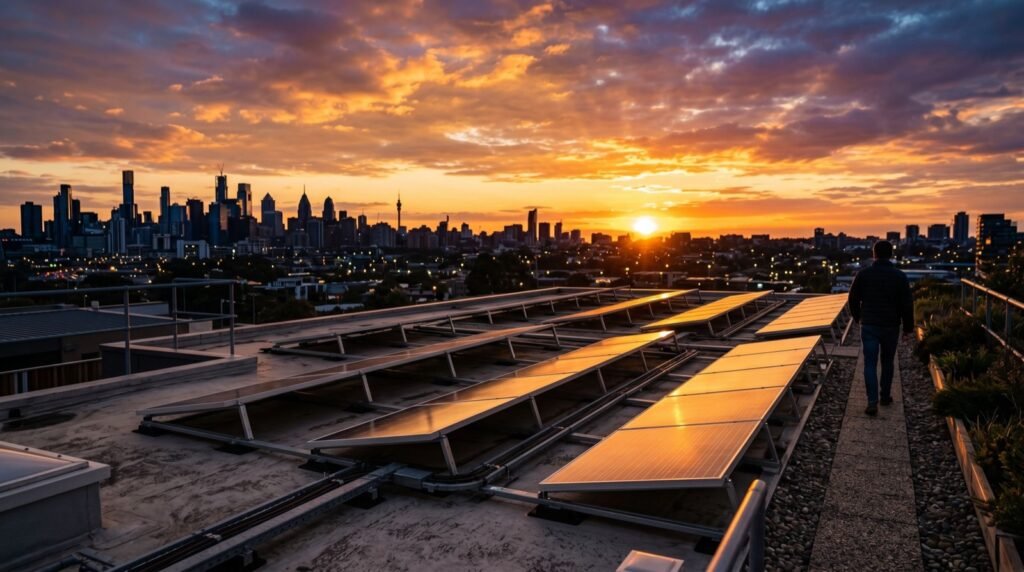
Solar Installation in Peshawar: A 2026 Homeowner’s Step-by-Step Guide
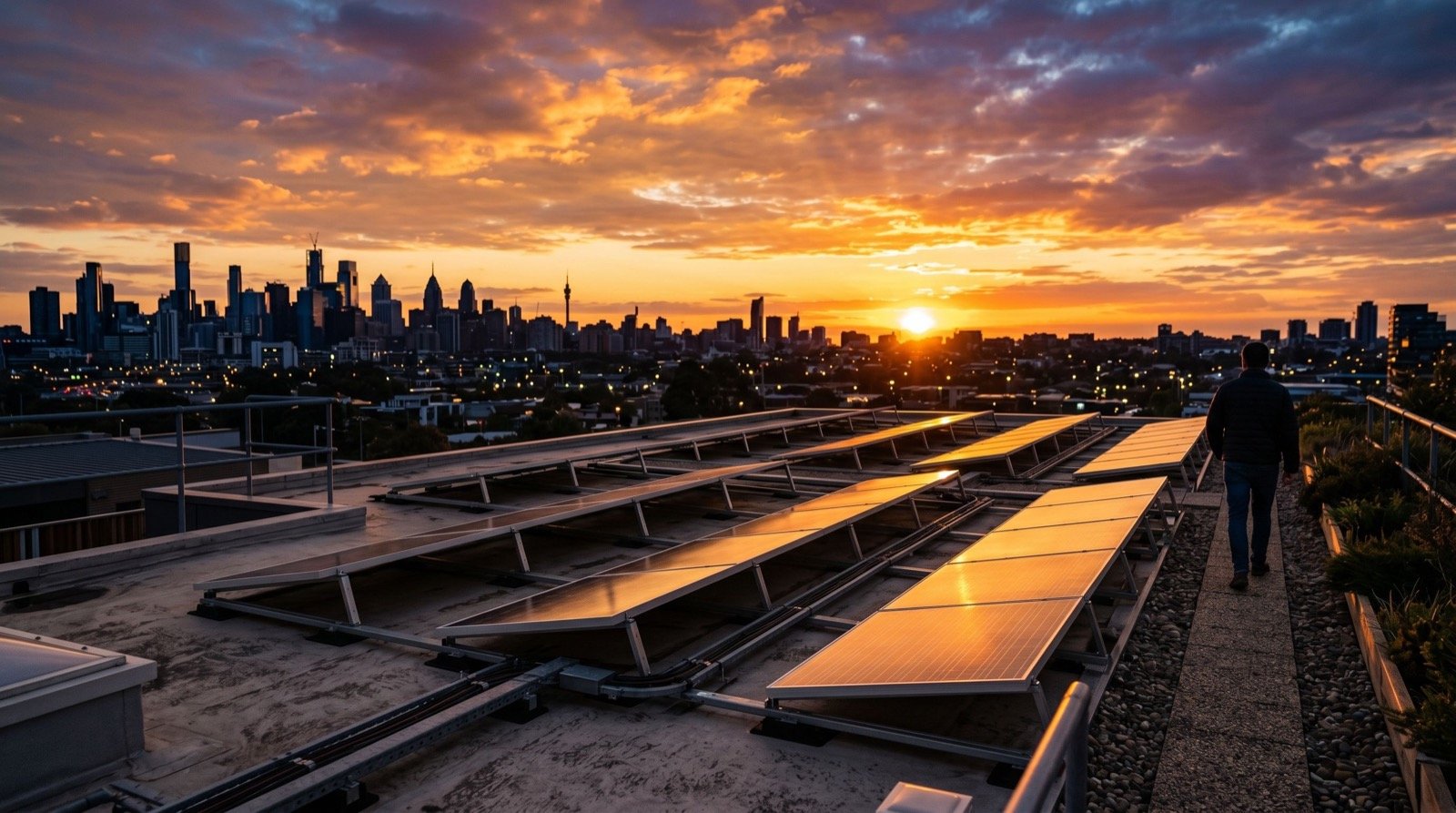
Rising grid tariffs and long load-shedding hours have pushed thousands of Khyber Pakhtunkhwa households toward clean energy, and a well-planned solar installation in Peshawar is now one of the smartest home upgrades you can make in 2026. The city’s long sunshine hours and the arrival of affordable net metering have changed the maths completely. This guide walks you through every stage, from the first rooftop survey to switching on your inverter.
Peshawar receives strong irradiation for most of the year, which means a correctly sized system can offset the bulk of a typical family’s electricity bill. The key word is “correctly” – a rushed job can leave you with shading losses, loose wiring, or panels that never reach their rated output. Understanding the process protects your investment.
Why Peshawar Homes Are Switching to Solar in 2026
Electricity prices in Pakistan have climbed steeply, and PESCO consumers feel it every month. Solar lets you lock in your own generation cost for 25 years instead of paying whatever tariff arrives next quarter.
Peshawar’s climate is well suited to photovoltaics. Clear winter skies deliver excellent yields, and summer production stays strong despite the heat. According to the International Energy Agency, solar PV is now the cheapest source of new electricity in most of the world, and that global cost curve has reached Pakistani rooftops.
- Protection against future tariff hikes and fuel-cost adjustments.
- Backup power during load-shedding when paired with a battery or hybrid inverter.
- Net metering credits that spin your meter backwards during the day.
- A measurable increase in property value for a modern, energy-ready home.
The Solar Installation Process From Survey to Switch-On
A professional solar installation in Peshawar follows a clear sequence. Knowing each step helps you ask the right questions and spot shortcuts before they become problems.
- Site survey and shading analysis. Engineers measure your roof area, orientation, and tilt, then check for shade from water tanks, parapet walls, and neighbouring buildings.
- Load assessment. Your past bills reveal daily and seasonal consumption so the system is neither undersized nor wastefully large.
- System design. Panel count, inverter rating, and cable routing are drawn up, usually with a south-facing array for maximum annual yield.
- Structure and mounting. Galvanised or aluminium frames are anchored to withstand Peshawar’s occasional dust storms and summer gusts.
- Electrical work and inverter setup. DC strings, protection devices, and earthing are installed to standard before the inverter is commissioned.
- Net metering application. Your installer files the paperwork with the distribution company and NEPRA so you can export surplus units.
Reputable installers document each stage with photos and a commissioning report. If a contractor cannot explain their shading plan or earthing method, keep looking for dependable specialists who treat your roof as a long-term asset rather than a one-day job.
How Much Does Solar Cost in Peshawar?
Pricing depends on system size, panel tier, and whether you add batteries. The table below gives realistic 2026 ranges for grid-tied residential systems in the city. Treat them as planning figures and always request an itemised quote.
| System Size | Typical Home | Rough Monthly Units Offset | Indicative Price (PKR) |
|---|---|---|---|
| 5 kW | 2-3 bedroom, light AC use | 600-750 | 900,000 – 1,150,000 |
| 7.5 kW | Mid-size family, 2 ACs | 900-1,100 | 1,300,000 – 1,650,000 |
| 10 kW | Large house, heavy load | 1,200-1,500 | 1,750,000 – 2,200,000 |
Payback for a grid-tied system in Peshawar commonly lands between three and five years, after which your solar electricity is effectively free for the remaining two decades of panel life. Adding lithium batteries raises the upfront cost but delivers true load-shedding independence.
Choosing the Right Equipment and Installer
Hardware quality decides whether your system lasts 25 years or struggles after five. Focus on tier-one panels, a reputable inverter brand with local service support, and proper DC isolators and surge protection.
The Alternative Energy Development Board maintains guidance on net metering and certified vendors, which is a useful reference before you sign anything. Verify that your installer uses AEDB-aligned practices and offers a written workmanship warranty.
- Confirm panel and inverter warranties in writing, not just verbally.
- Ask for the names of recent Peshawar installations you can verify.
- Insist on proper earthing and lightning protection for rooftop safety.
- Check that net metering support is included, not an extra surprise fee.
Homeowners comparing providers across provinces often look at the same company’s work on solar panels in Lahore to judge consistency and after-sales service before committing locally.
Maintenance and Getting the Most From Your System
Solar is low maintenance, but Peshawar’s dust means panel cleaning matters. A light wash every few weeks during dry spells keeps output high, and most monitoring apps flag any sudden drop in generation.
Schedule a professional check once a year to inspect connections, tighten mounting bolts, and confirm the inverter firmware is current. Simple habits like running heavy appliances during peak sun hours stretch your self-consumption even further.
Common Mistakes Peshawar Homeowners Should Avoid
Even in a sunny city, poor decisions can cripple a solar project. Learning from others’ errors saves you money and frustration.
- Ignoring shading. A single shaded panel can drag down an entire string, so insist on a proper shading analysis.
- Chasing the cheapest quote. Bargain systems often use thin cable and weak inverters that fail within a few years.
- Skipping net metering. Without it, you lose the value of surplus daytime generation.
- Oversizing on impulse. Buy capacity that matches your bills, not your roof area.
Avoiding these pitfalls keeps your payback on track and your system performing at its rated output for decades.
Frequently Asked Questions
How long does a solar installation in Peshawar take?
Most residential systems are mounted and wired in one to three days. Net metering approval from the distribution company and NEPRA can add a few weeks, so plan for the paperwork alongside the physical work.
Do solar panels work during Peshawar’s cloudy winter days?
Yes. Panels still generate on overcast days, though at reduced output. Peshawar’s many clear winter mornings mean annual production stays strong, and net metering credits earned in summer help balance any seasonal dip.
Is net metering worth it for a Peshawar home?
For most grid-connected homes, yes. Exporting surplus daytime units earns credits that offset evening consumption, shortening payback. Your installer should handle the application and sizing to maximise the benefit.
Can I add batteries later?
Many homeowners start grid-tied and add storage afterward. Choosing a hybrid inverter at installation makes that upgrade simple and avoids replacing core equipment down the line.
Final Thoughts
A thoughtful solar installation in Peshawar is far more than bolting panels to a roof – it is a long-term energy strategy that shields your household from rising tariffs and unpredictable outages. By understanding the survey, design, and net metering steps, you can hold your installer to a high standard and enjoy decades of clean, affordable power. Start with a proper rooftop assessment in 2026, choose quality equipment, and let the Peshawar sun do the rest.